The Psychology of Color in Interior Design
How different colors affect mood and how to use them effectively in your home.
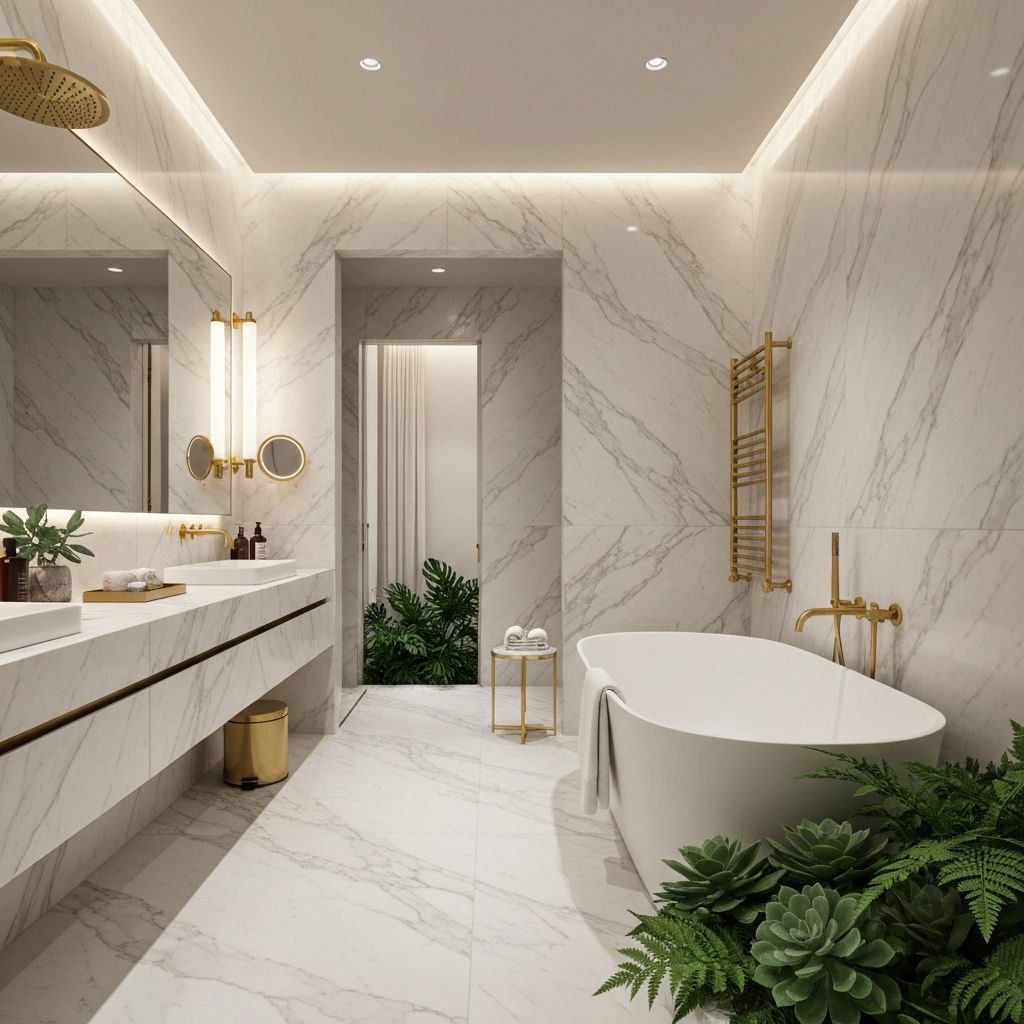
Color influences mood, focus, comfort, and even how large or intimate a room feels. Choosing the right palette is one of the most powerful parts of interior design.
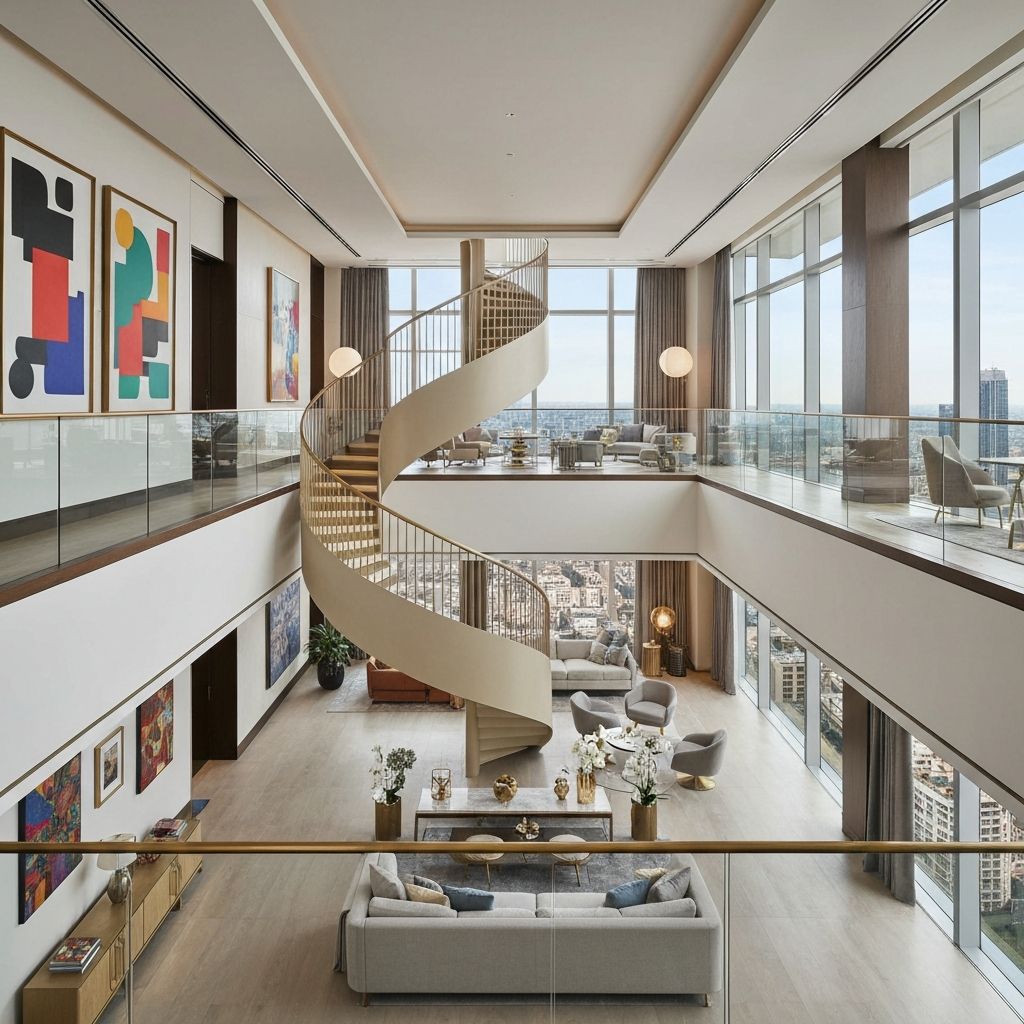
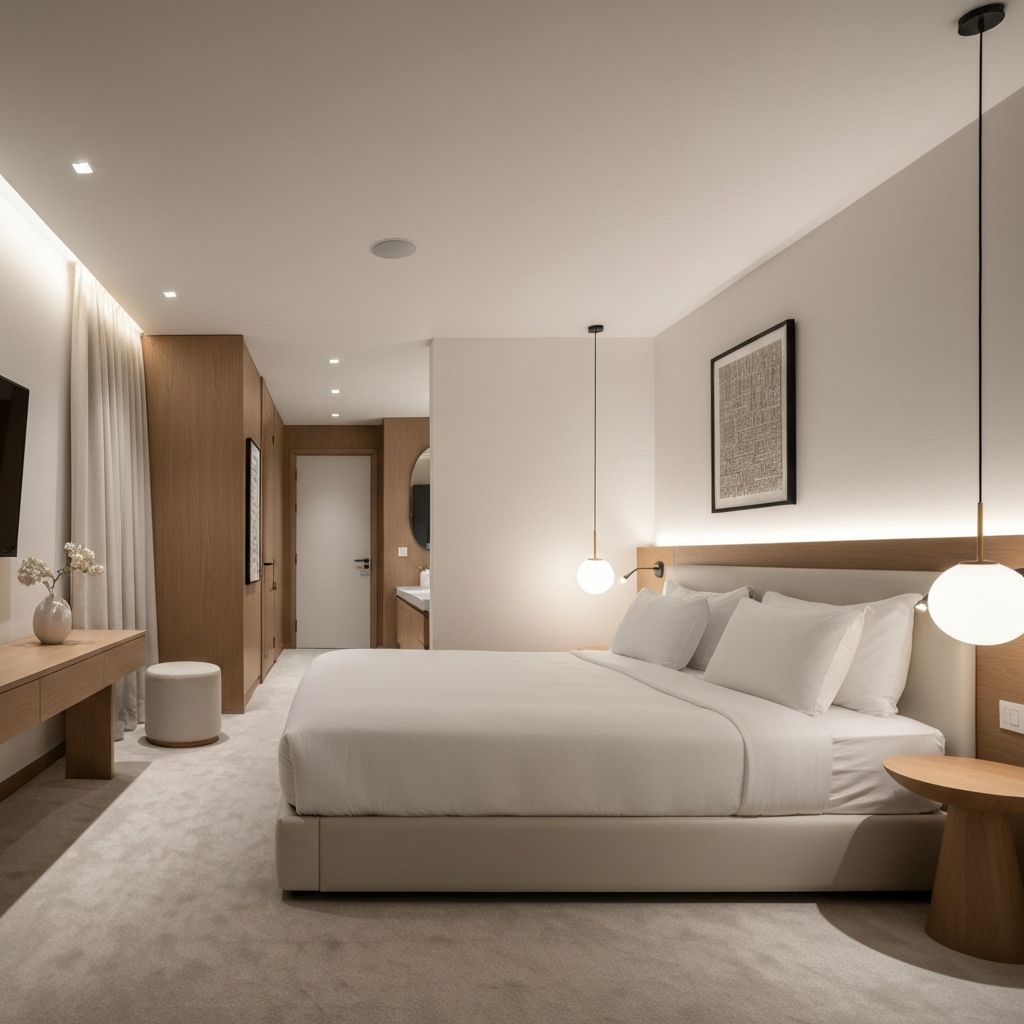
Soft Neutrals for Calm
Warm whites, taupes, and muted beiges create a restful backdrop that works in nearly every room.
They also allow furniture, art, and textures to stand out more gracefully.
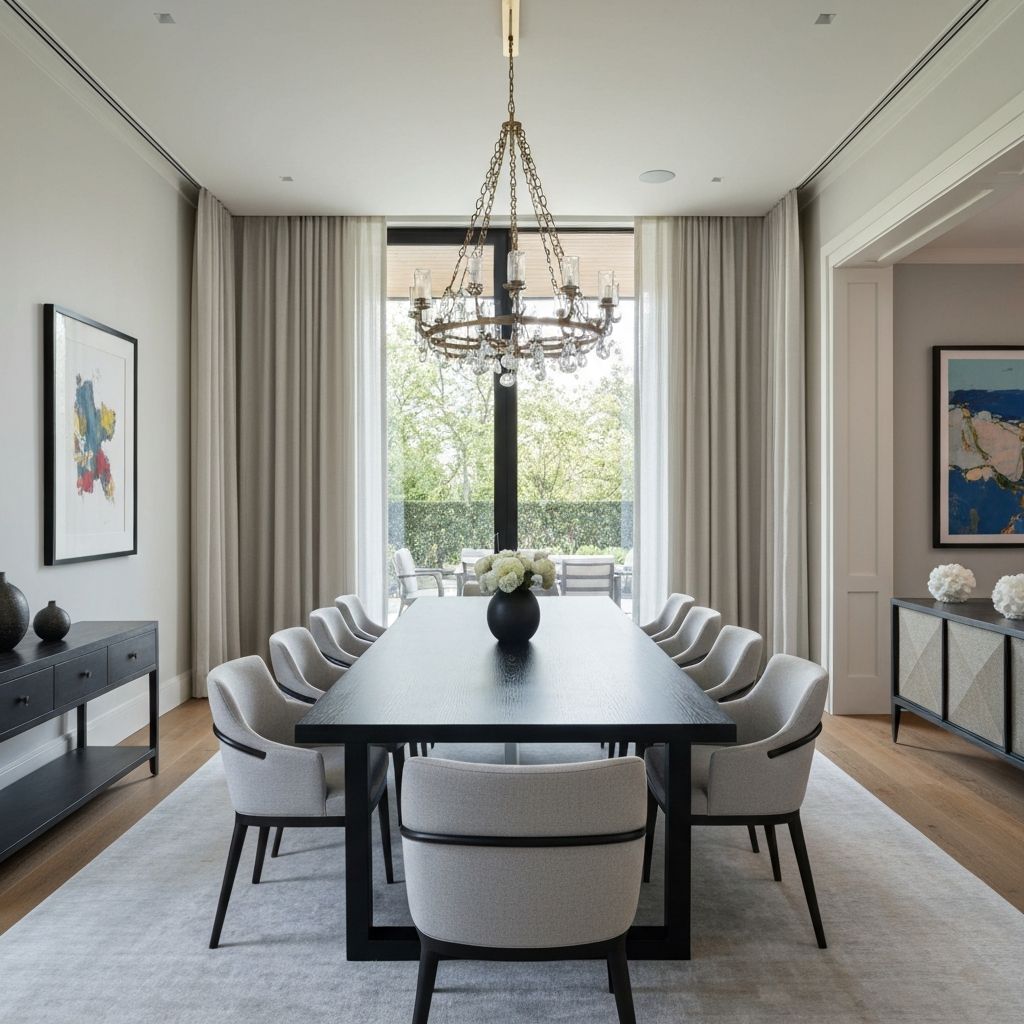
Deep Tones for Character
Charcoal, forest green, navy, and chocolate brown can make spaces feel rich and cocooning.
These shades are especially effective in lounges, dining areas, and accent walls.
Strategic Accent Colors
Terracotta, olive, muted rust, and soft gold can introduce warmth without overwhelming a space.
Use them through upholstery, cushions, art, or decorative objects for a more balanced result.
Final Thought
The best palettes feel intentional and emotionally appropriate for the room. Good color planning can quietly transform the entire experience of a home.